Is Jive a lost language?
Can you speak jive? What is jive again? When you hear the word jive, you most likely either think of the dance style or that one scene from the 1984 comedy “Airplane!”, but that is nowhere near the full story. Jive is a slang language with deep roots inside America. Jive is a collection of English slang words that originated in Harlem, New York, and hit its stride during the nineteen-thirties and forties when the Harlem jazz scene rose in popularity. Created by struggling African American jazz singers, jive reached the limelight and brought a backwater population into prominence inside America.
Jive History
A mainstay in Harlem and Chicago, the dialect wasn’t introduced to the rest of the world until famous jazz singer Cab Calloway released “Cab Calloway’s Hepster’s Dictionary” and journalist Dan Burley released “Jive”, a book connecting the repressed culture to the American lifestyle. These were published in 1938 and 1944 and brought substance to the movement. As jazz and other music from the area grew, jive did as well, following in the wake of the Harlem Renaissance. The majority of America had never experienced forms of expression like Jazz or Jive, a large part of African American culture, and its exposure changed America. Jive started as a dialect used by the poor outcasts of Harlem and Chicago and became something bigger. It helped unify America.
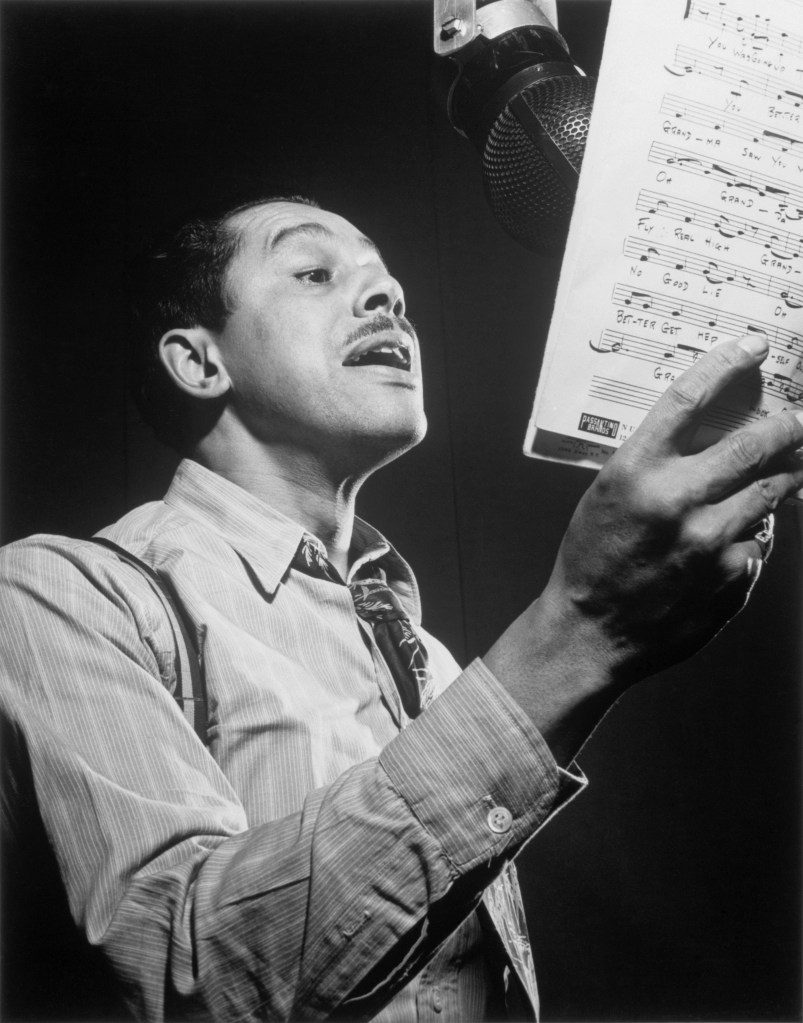
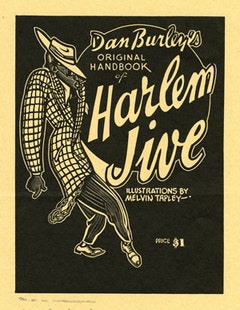
Jive is now an American stalwart, being the hidden source of words spoken every day. Reading through the jive dictionary from Cab Calloway, there are many words that you can recognize today and many more that were unable to withstand the test of time. Jive had words for most situations common in Harlem, some silly and others more suitable. The dictionary, which was the first-ever dictionary written by an African American is worth reading, but here are a few highlights.
Get Wise to the Jive
The words Groovy, Icky, Salty (angry/mad), Cop (buy), Pad (house), Threads (clothes), Copacetic, and the phrase “On lock” are all jive words we use today. Some have been adopted into the standard dictionary while others still live as slang, and this is just the tip of the iceberg. Something worth noting is that some of these slang words are “new”, and regaining popularity after sinking away decades ago. I think the next word from jive following this same trajectory back into known vocabulary is the word “Gangbusters”, but only time will tell.
Words to call people that understand jive: Hep, Hep cat. Words to call people not familiar with jive: Unhep, Icky, Square, Jeff. Interesting words: Flip the grip (handshake), Swellegant (wonderful and marvelous), Sky piece (hat), Ground grippers (shoes), Crumb crushers (teeth). Some of these are best left in the 1940s, but not all, and I am looking forward to seeing what is brought back next.
In our current society, jive is a relic of the past. The only popular reference to it in modern culture is from a 1980 comedy movie! How could it be relevant today? While the roots of jive are being forgotten, it gave us new vocabulary, but it also brought about change, change we are still feeling today. What started as a joke by the outcasts of American society grew to something much greater. It grew into a movement.

 Alex Motawi
Leave a comment